What is the impact of combining gamification strategies with community activation through mobile-apps?
Gamified marketing (or what is called gamification marketing) is able to build interest in consumers through three main elements of gamification, namely: validation, finish line, and reward.
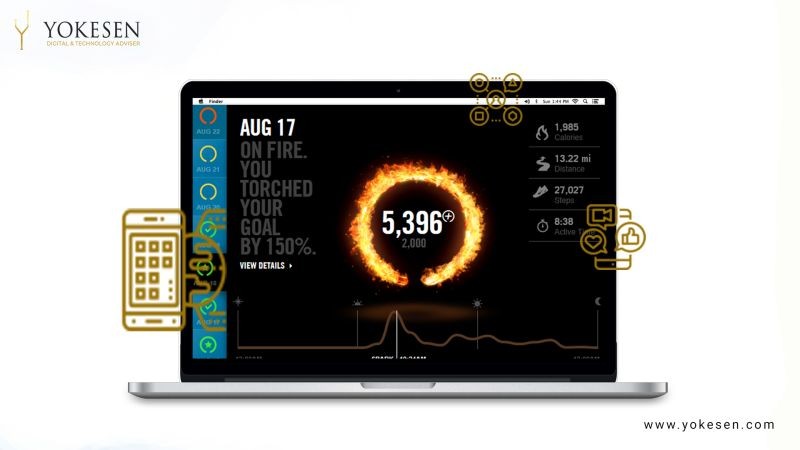
Sportswear brand Nike built an in-app game to support Nike users' daily sports activities and uses #NikeFuel to track and monitor every progress of sports activities. Based on the difficulty level the user selects, they are challenged to earn a certain amount of NikeFuel to advance to the next level. Each mission and level is played against the clock and using any device that collects NikeFuel, including the Nike + FuelBand.
Throughout the mission, app users will meet Nike brand ambassador athletes such as: Calvin Johnson, Allyson Felix, Alex Morgan, or Neymar Jr. who will provide advice and provide recommendations for innovative products to help users achieve their next mission.
After each mission, users can sync their Nike+ devices to see their progress. If they have not achieved their goals, they can replay the mission. Fun isn't it?
This fitness application is driven by the tendency of its users to share every stage of their exercise achievements for validation on their respective social media.
Users compete with each other and share their results every day. This creates a Nike brand community, and with many users integrating the app into their daily lives ultimately strengthening their brand engagement with Nike.
Validation techniques that are often used through social media sites are likes, retweets, getting followers and so on. These are all ways that allow users to respond positively to each other's content. Validation is one of the strongest drivers of long-term user-engagement quality because it can help brands build communities.
Also read implementation gamification marketing strategy carried out by adidas and lulu lemon to win the hearts of consumers in today's digital era.